who we are
About the Program

Zehn Ki Lehar is a community-driven initiative that brings together mental well-being, gender equality, and women's leadership to create sustainable social change.

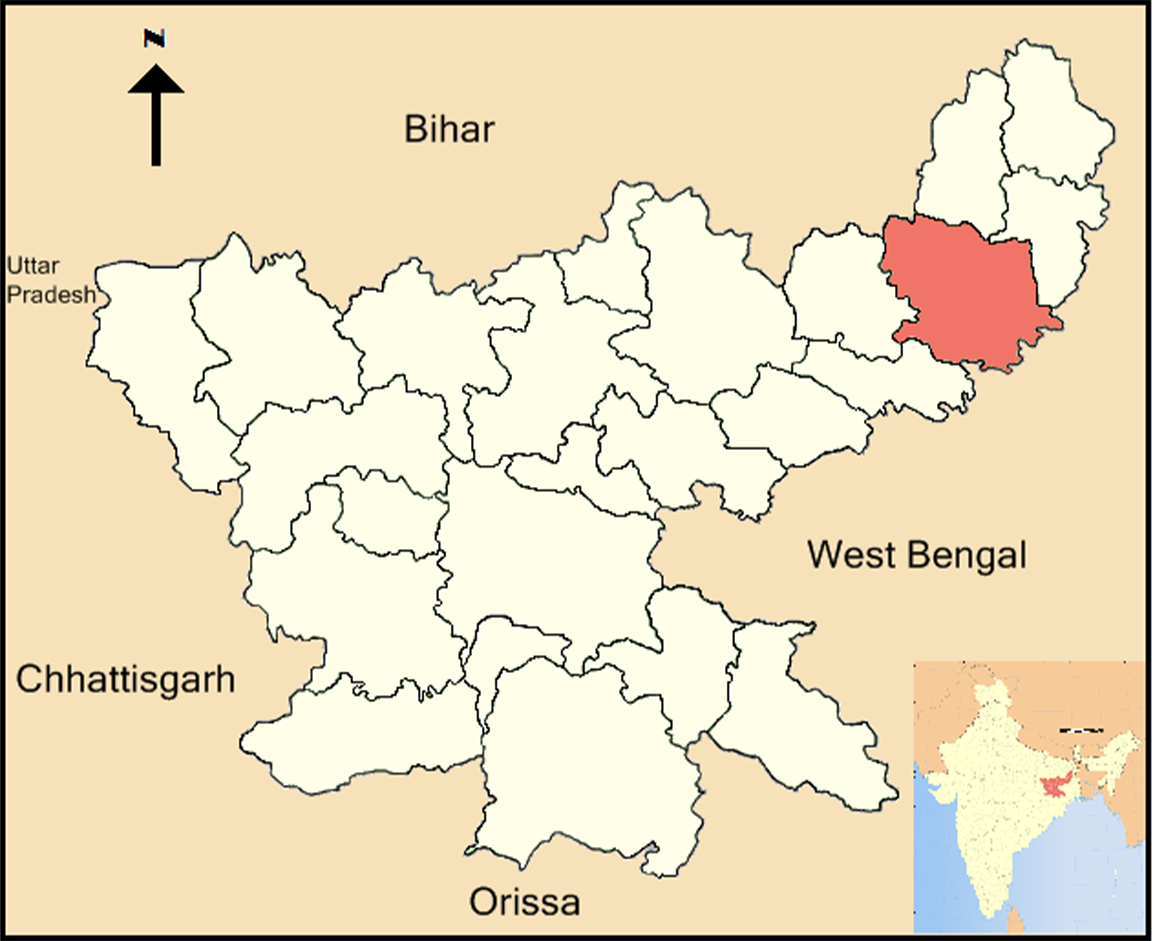
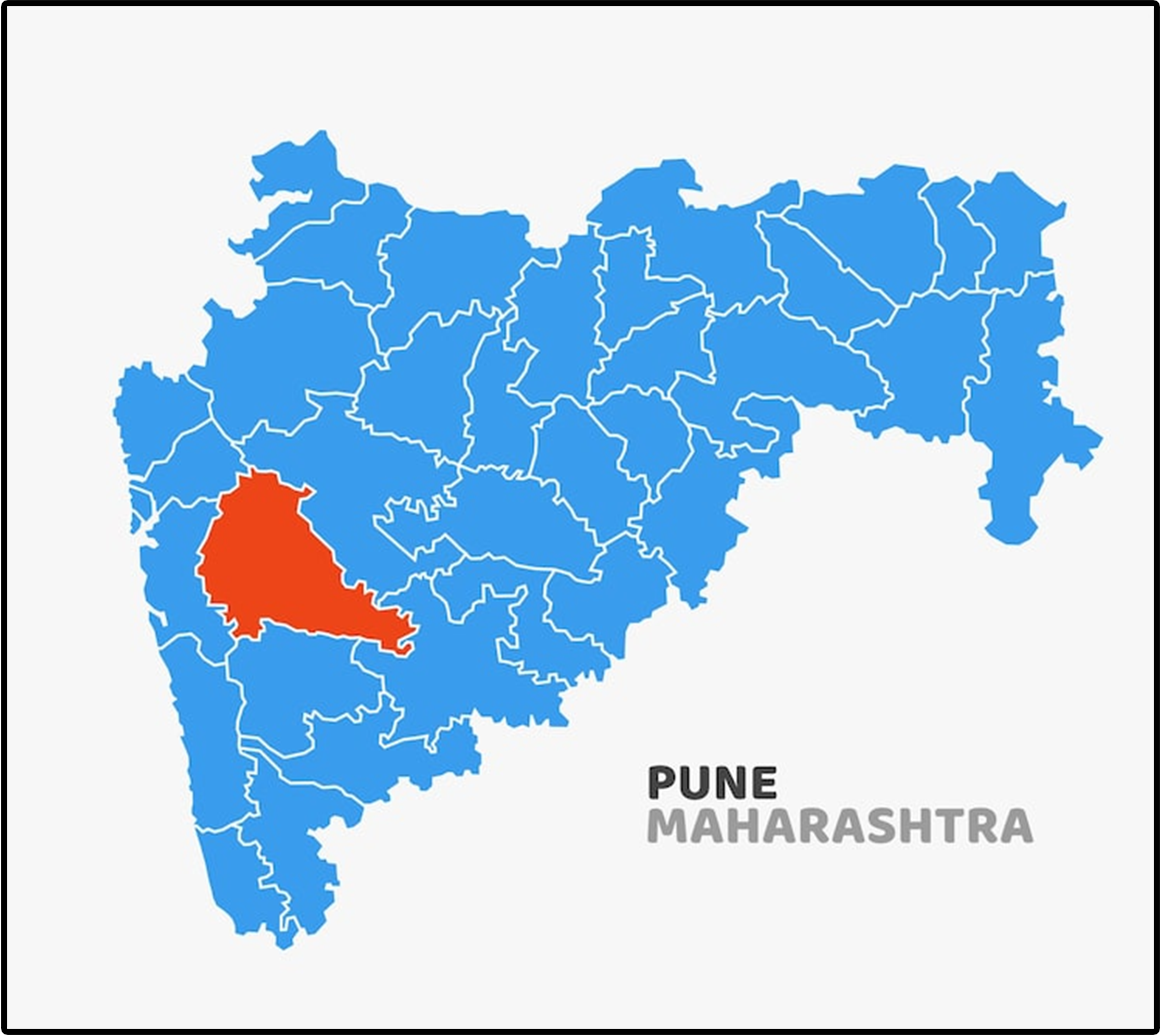
The program has been implemented in two distinct locations—Dumka in Jharkhand (with a focus on rural and tribal communities) and Pune in Maharashtra (urban and peri-urban settings). This dual implementation allows the model to respond to diverse social, cultural, and economic realities, while retaining a strong, adaptable core approach.

Across these contexts, women face multiple, intersecting challenges:
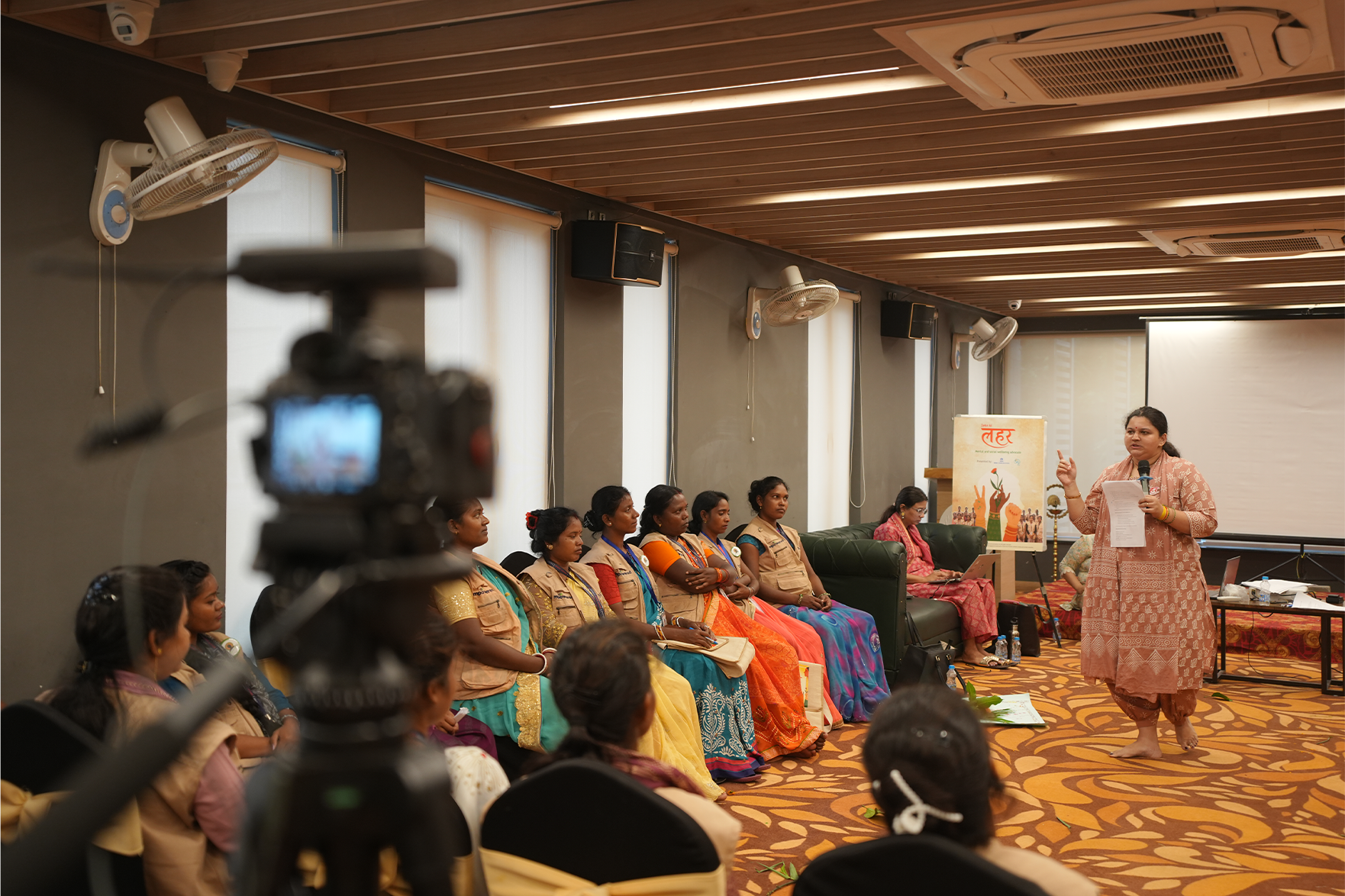
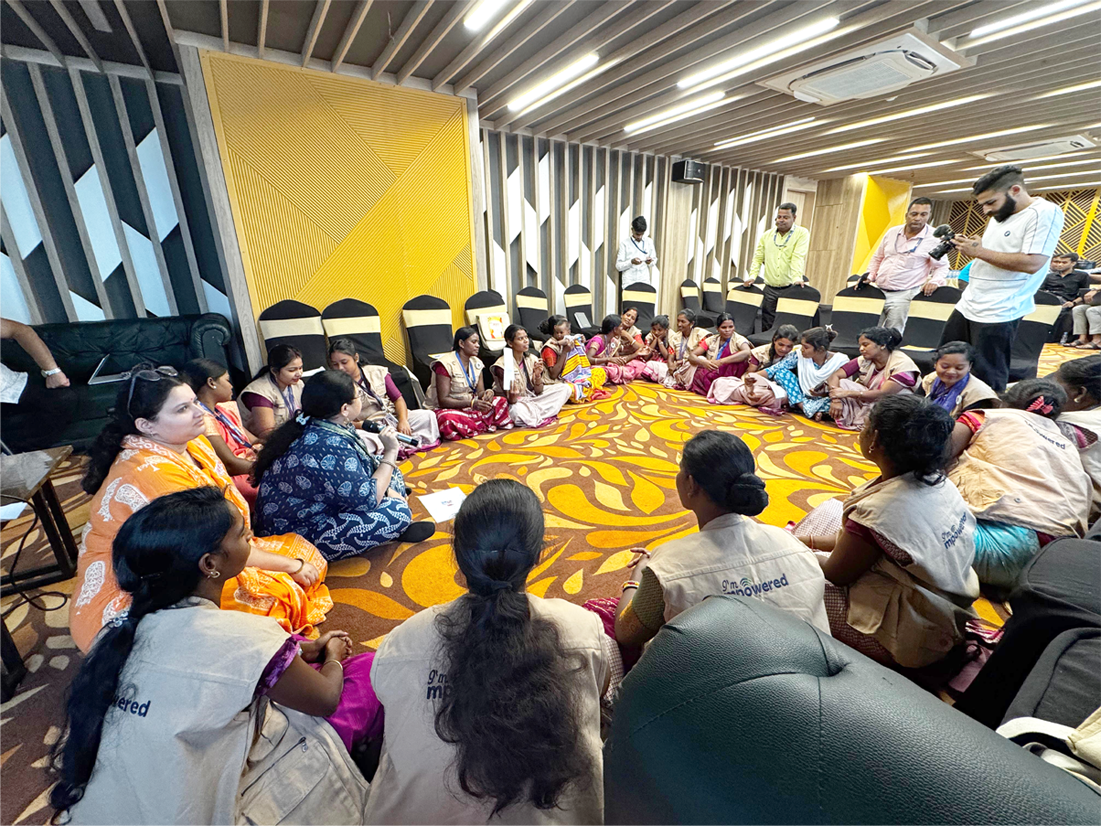
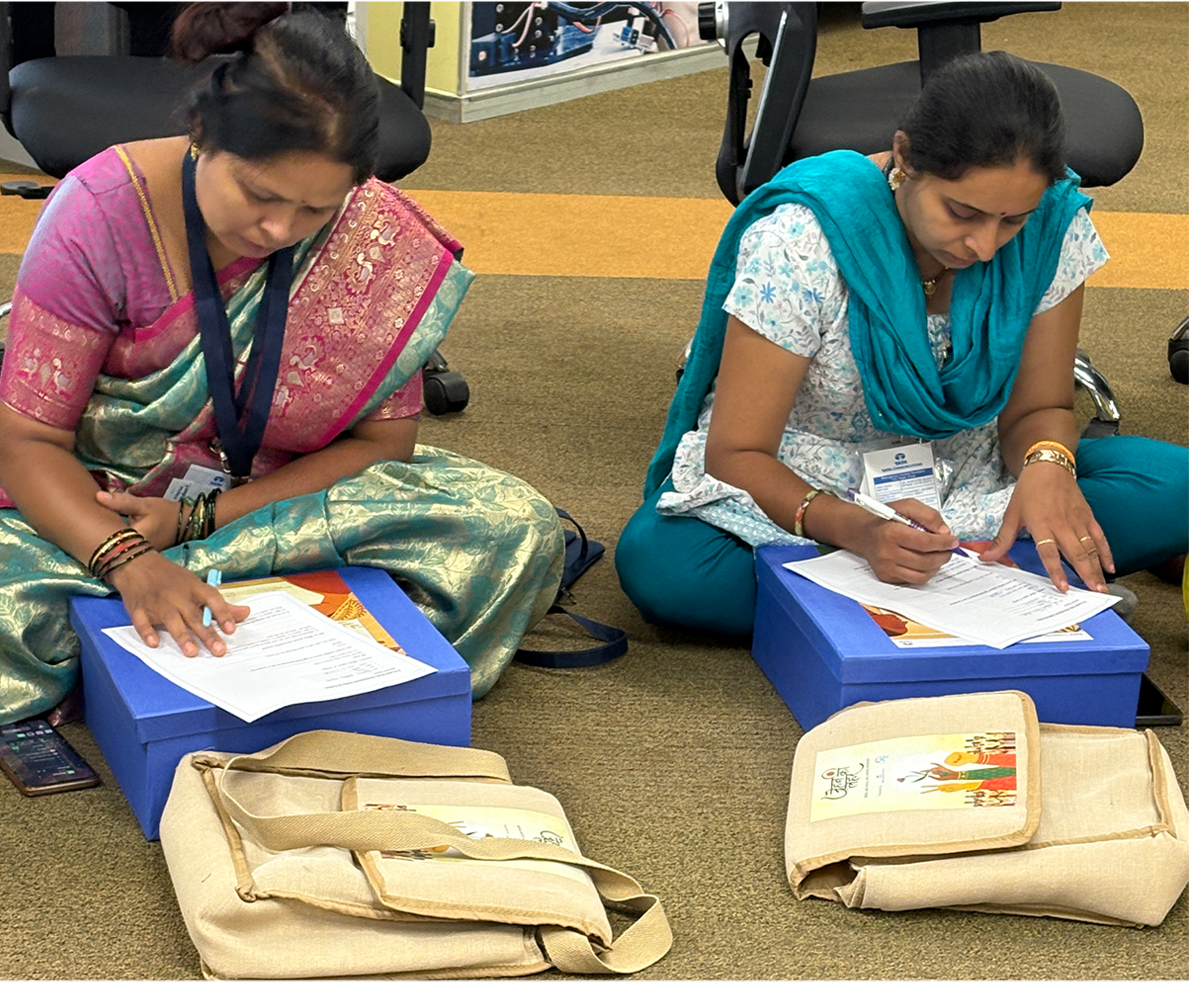
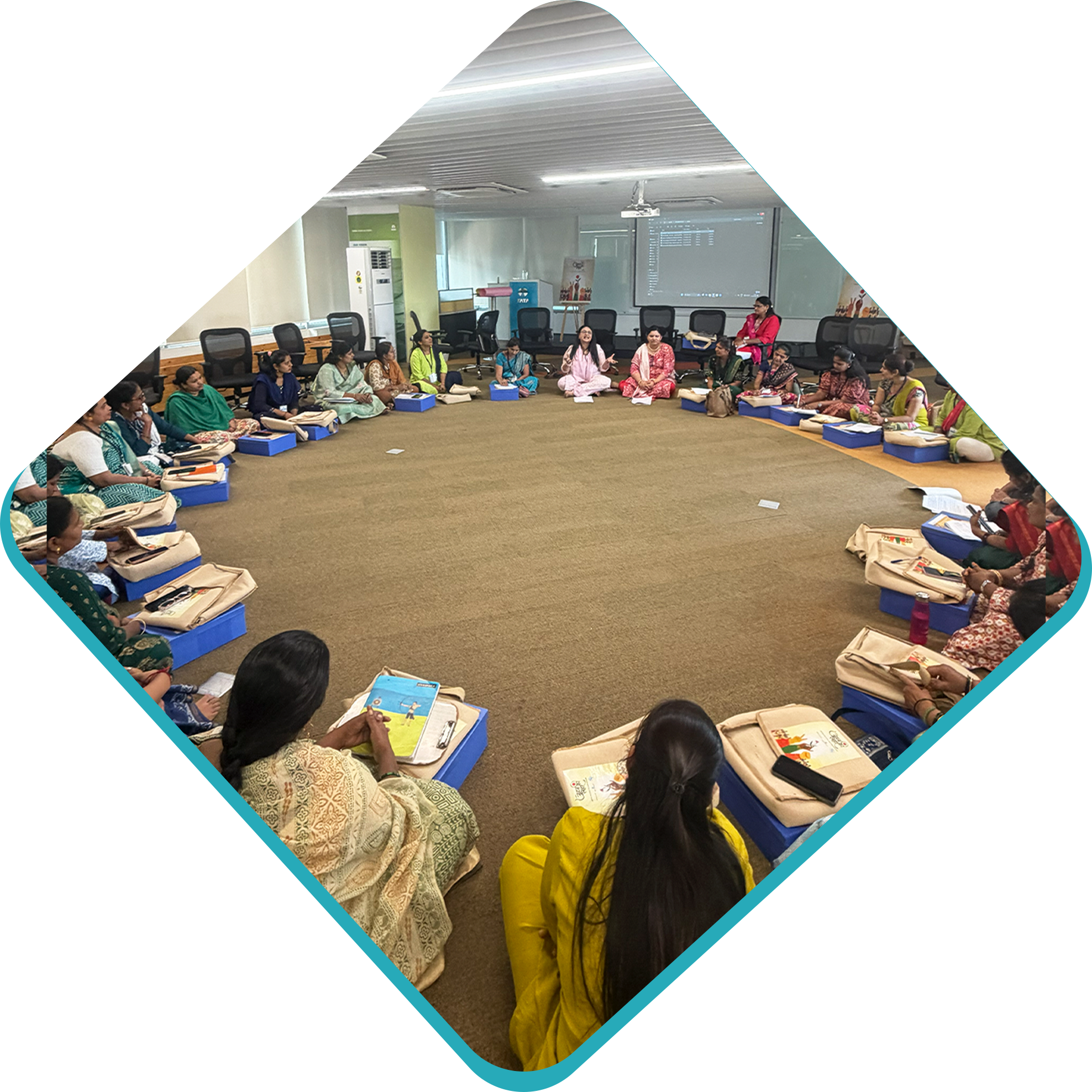
Workshop session
  • Deep-rooted patriarchy and restrictive gender norms
  • Limited access to safe spaces for emotional expression
  • Normalization of gender-based violence
  • Lack of awareness about legal rights and support systems
  • Unaddressed mental health distress and emotional burden

In many cases, existing interventions focus on economic empowerment or awareness-building alone, without addressing trauma, internalized oppression, and the behavioural shifts needed within families and communities.

Zehn Ki Lehar was designed to fill this critical gap by creating a model that is deeply empathetic, participatory, and transformative.
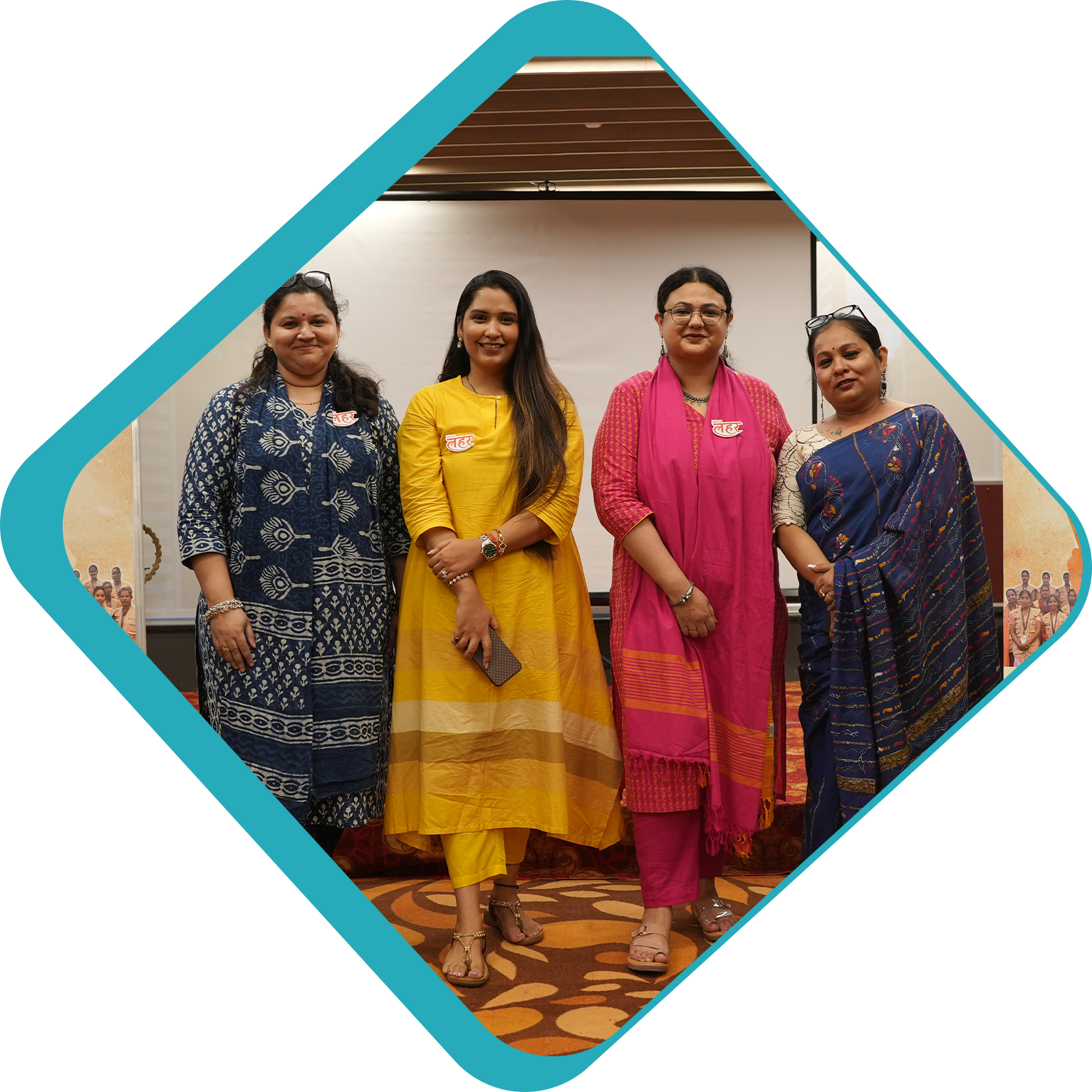
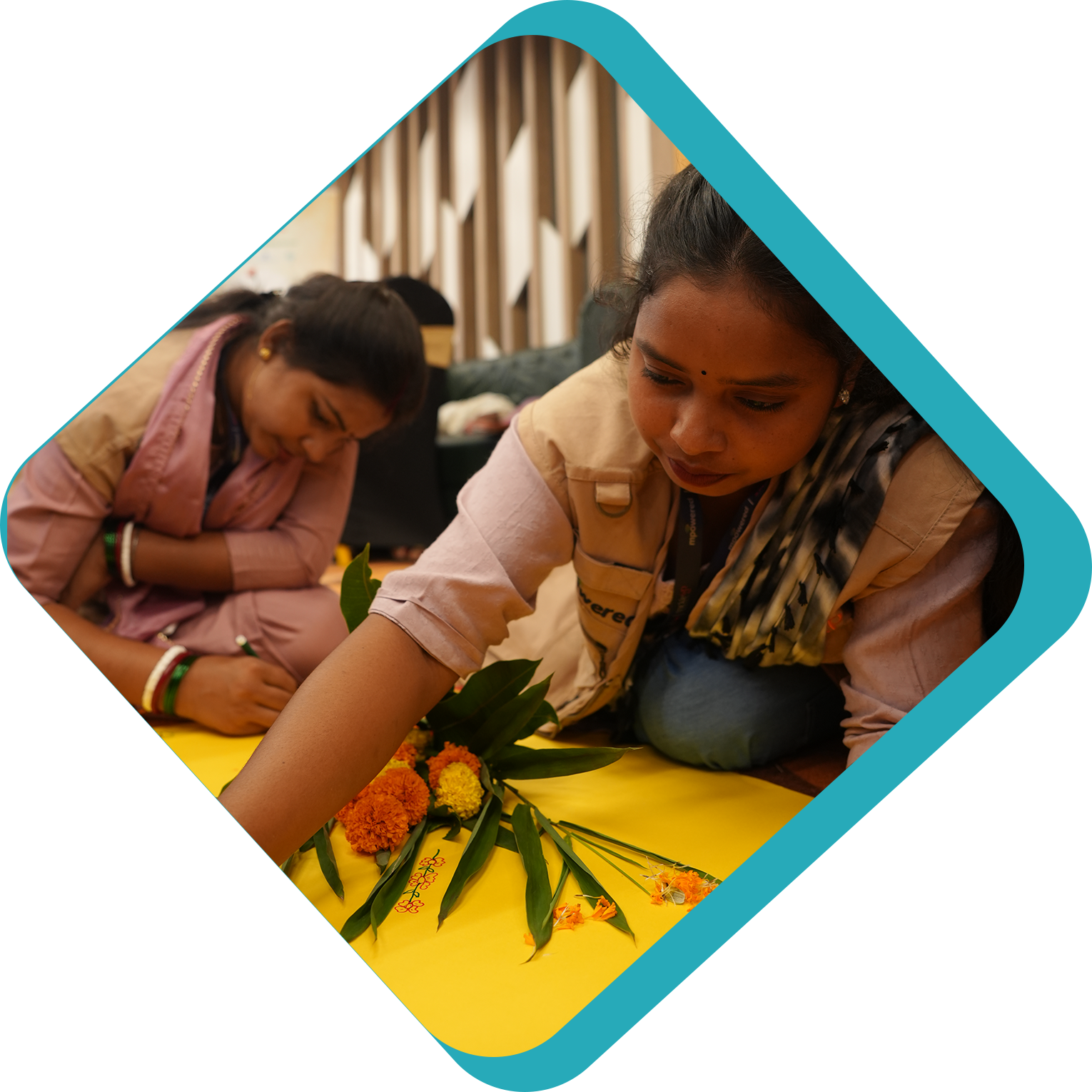
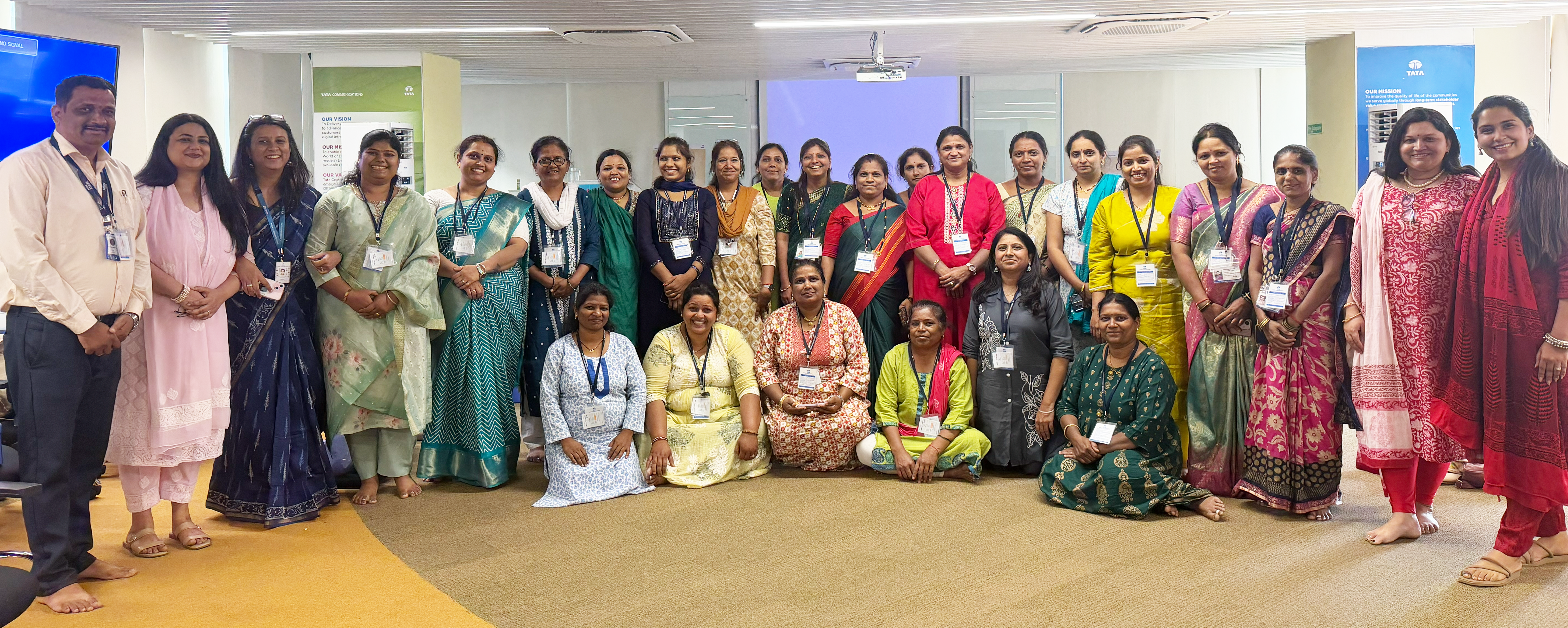
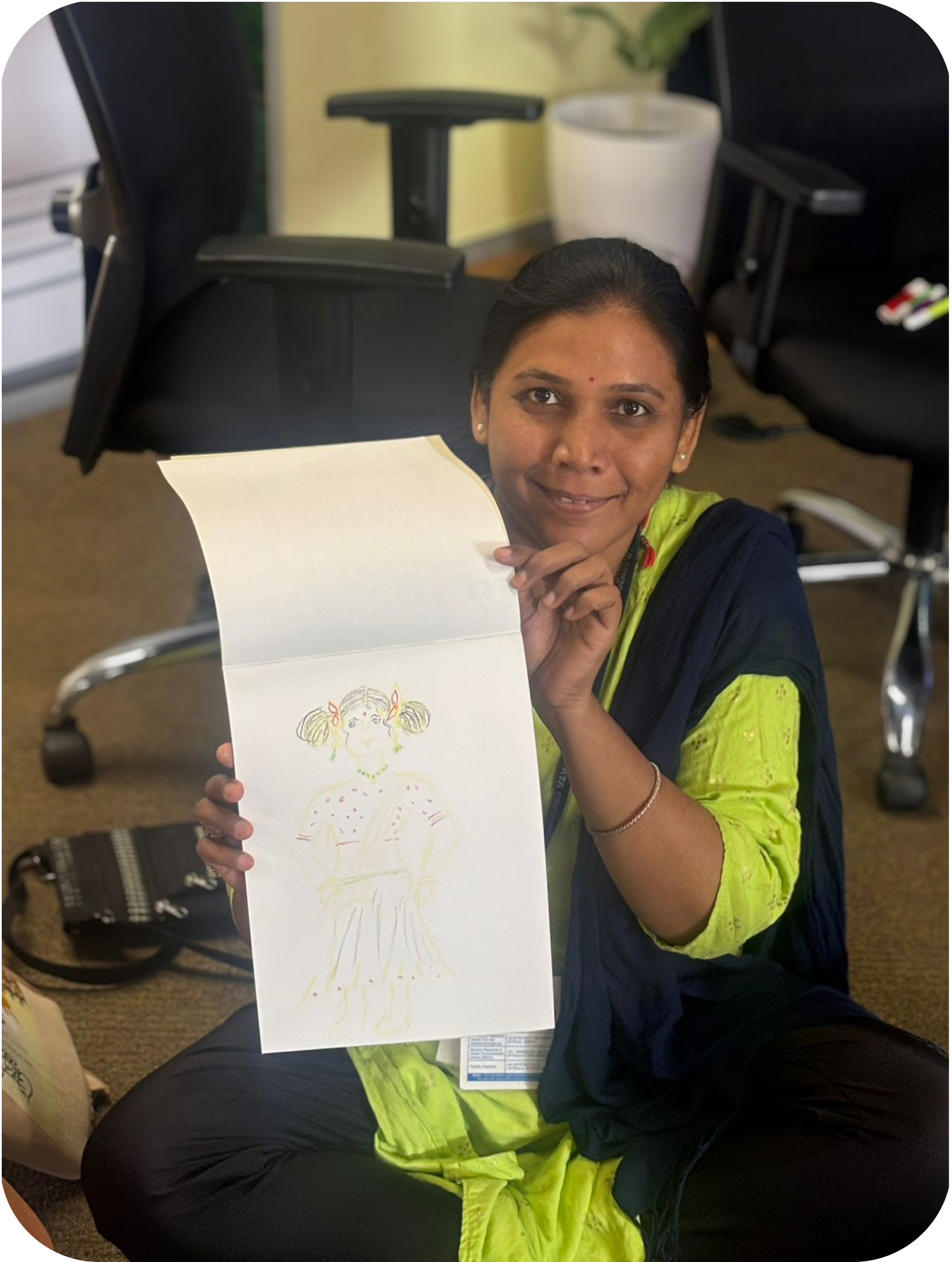
Program photo 1
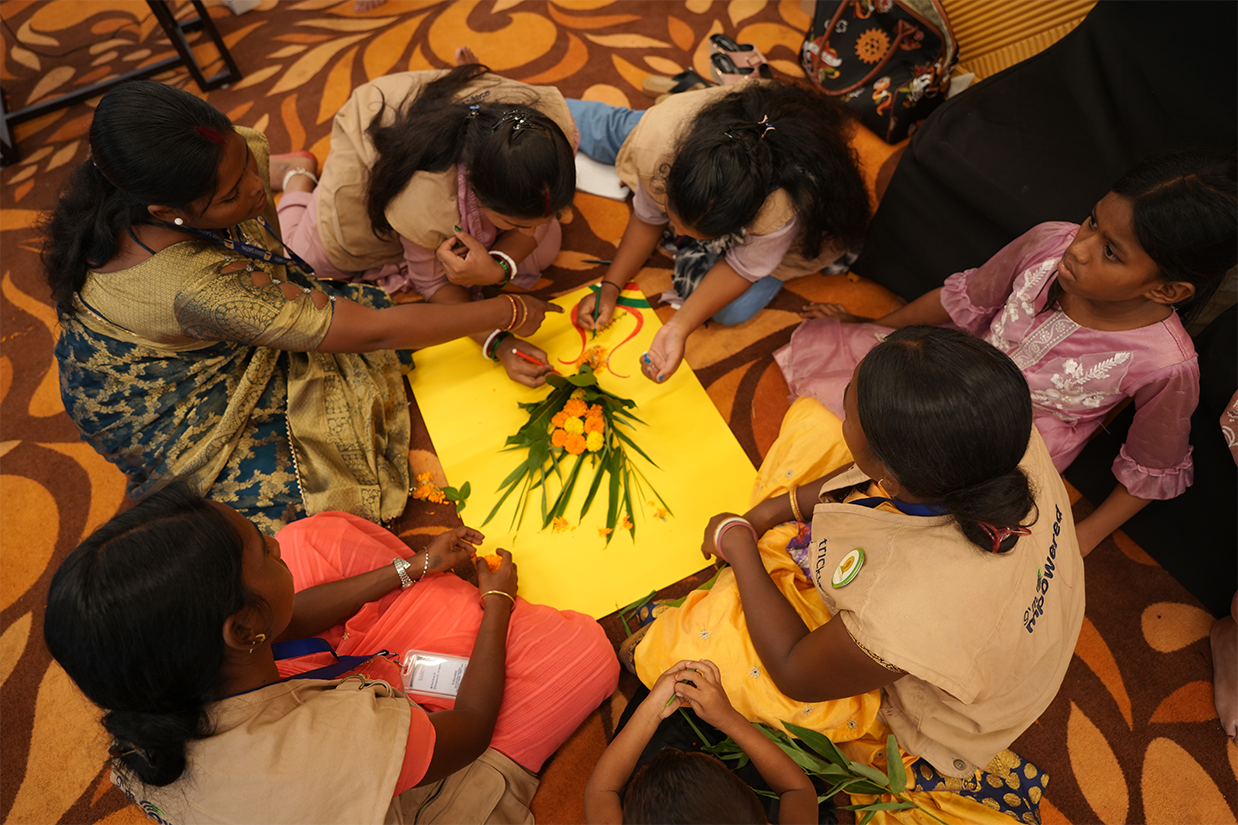
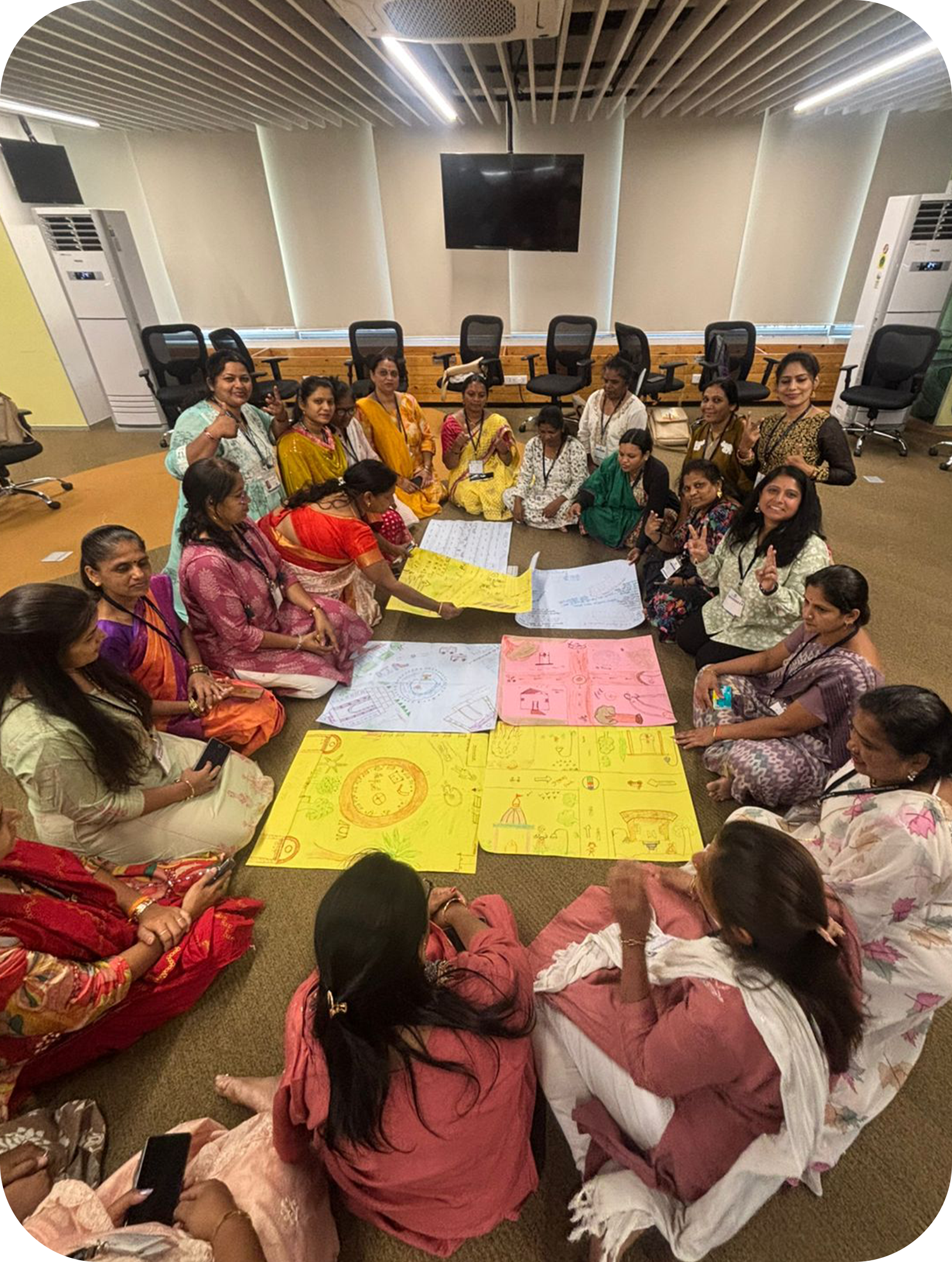
Program photo 2
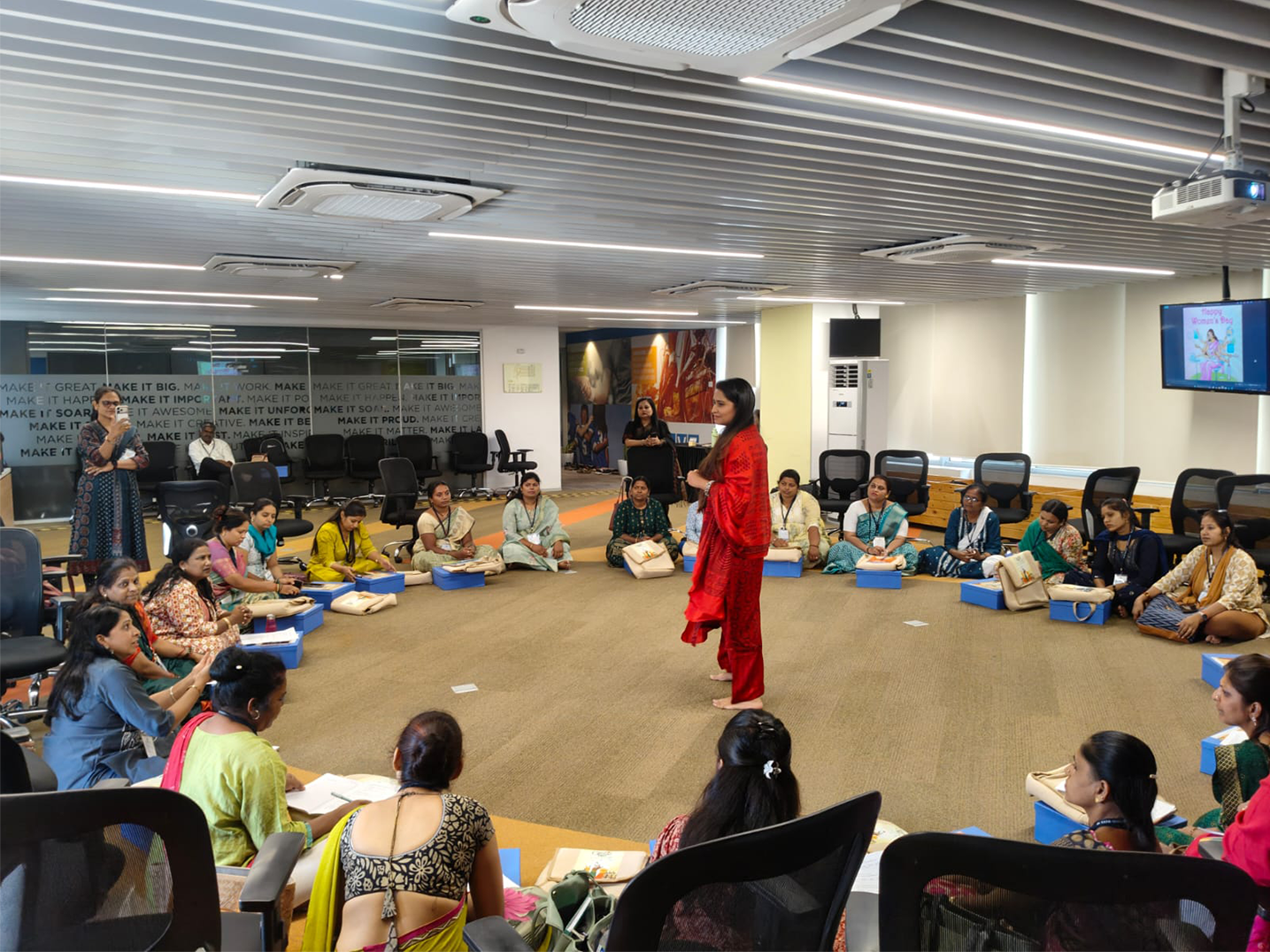
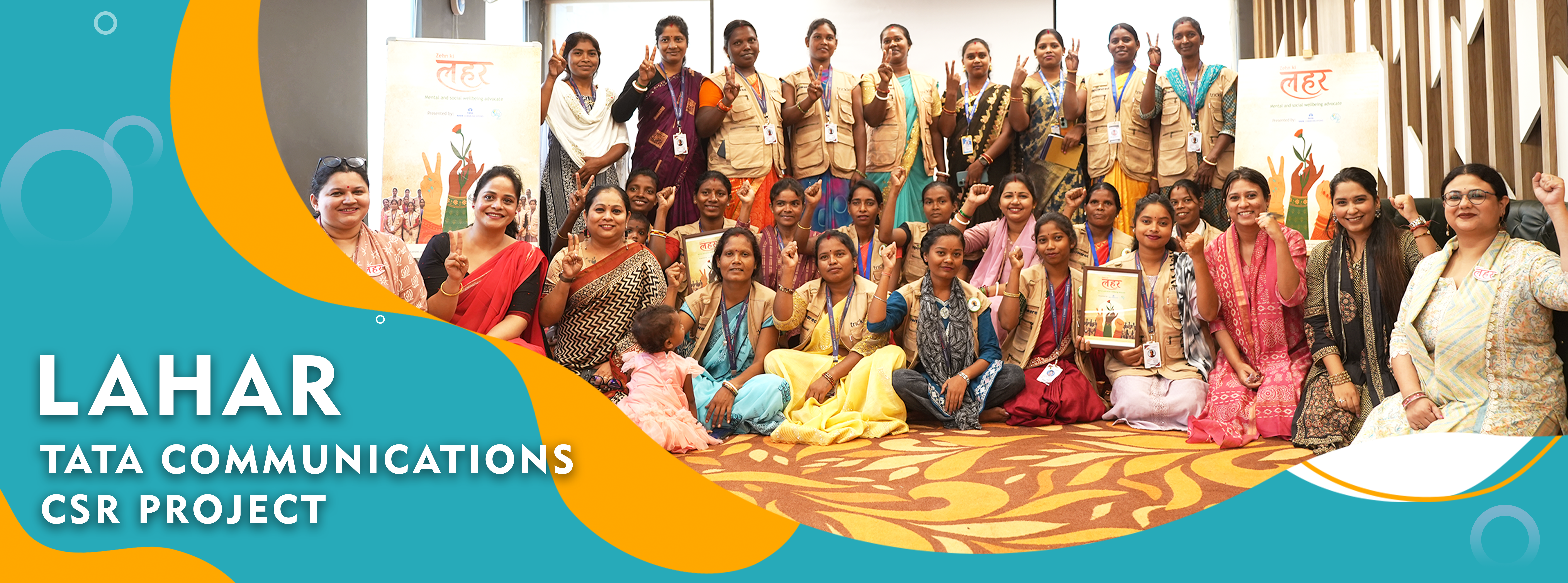
Program photo 3
Our Approach

Zehn Ki Lehar adopts a holistic, trauma-informed, self-reflective and community-led approach, recognizing that empowerment is not a single intervention but a continuous process.

The program integrates multiple components:

1. Trauma-informed Healing
All sessions are designed with sensitivity to women’s lived experiences, ensuring that spaces are non-judgmental, safe, and empathetic. Participants are never forced to share but are gently encouraged to express at their own pace.
2. Expressive Arts-Based Engagement
Creative methods are central to the program, enabling women to explore emotions in ways that go beyond words. These include:
  • • Art and drawing
  • • Movement and body-based expression
  • • Music and rhythm
  • • Storytelling and narrative building
  • • Zine-making and creative writing
These mediums help participants process emotions, reduce internalized stress, and reconnect with their sense of self.
3. Gender Sensitization
Workshops unpack deeply embedded ideas of:
  • • Patriarchy and power structures
  • • Gender roles and expectations
  • • Toxic masculinity
  • • Everyday forms of discrimination and violence
This enables women to identify and question systemic inequalities that shape their lives.
This ensures women not only understand their rights but also feel confident to seek help and support others.
5. Leadership Development
Participants are encouraged to step into leadership roles within their self-help groups and communities, enabling peer-led replication of learning.
Leadership Development
Healing Circles and Safe Spaces

At the heart of Zehn Ki Lehar are Healing Circles, structured, facilitated spaces where women come together to share, reflect, and support each other.

These circles:

  • • Break isolation and silence
  • • Encourage vulnerability and trust
  • • Build collective empathy and solidarity
  • • Create a strong sense of sisterhood and belonging

For many participants, this is the first time they are heard without judgment, making these spaces deeply transformative.

Implementation Across Two Locations

Zehn Ki Lehar has been implemented across:

Dumka, Jharkhand

  • • Focus on tribal and rural women
  • • Addressing strong traditional norms and limited access to services
  • • Building foundational awareness on mental health, rights, and expression


Pune, Maharashtra

  • • Engagement with urban and peri-urban communities
  • • Addressing stress, identity, and gender dynamics in evolving social contexts
  • • Creating an environment where women can lead and create safe spaces for other community members

Despite contextual differences, both locations demonstrated that safe spaces and creative engagement can unlock powerful processes of healing and
leadership.

Impact

Zehn Ki Lehar has enabled women to:

  • • Develop emotional awareness and language for their experiences
  • • Build confidence to express, question, and assert themselves
  • • Understand and access their legal rights and protections
  • • Form strong peer support networks
  • • Step into leadership roles within their communities

Most importantly, the program has contributed to shifting mindsets, from silence to dialogue, from acceptance of inequality to questioning, and from isolation to collective strength.

The Ripple Effect

A core strength of Zehn Ki Lehar lies in its multiplier effect.

When one woman transforms, she influences:

  • • Her family
  • • Her peer group
  • • Her community

Over time, this creates environments where:

  • • Violence is challenged rather than normalized
  • • Help-seeking becomes safer
  • • Girls are encouraged to dream, study, and lead
  • • Emotional well-being is recognized as essential

This ripple effect ensures that the program’s impact is sustained and community-owned.

Our Vision

Zehn Ki Lehar has enabled women to:

  • • Women live with dignity, safety, and emotional well-being
  • • Communities foster empathy, equality, and collective care
  • • Conversations around mental health and gender justice are normalized

By nurturing leadership, healing, and awareness, Zehn Ki Lehar is not just creating change, it is building a movement of women-led transformation that continues to grow with every wave.